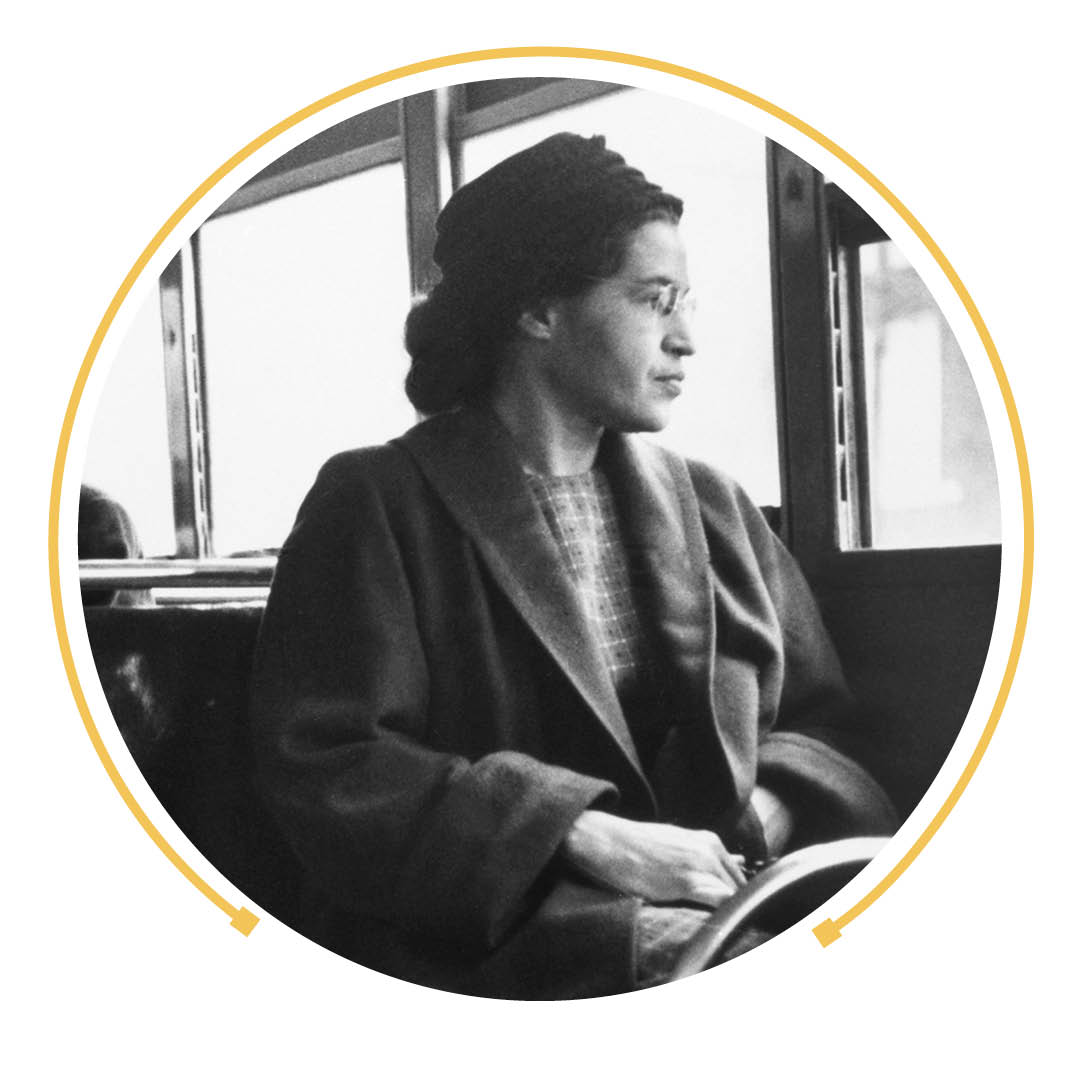
Rosa Parks Tribute
Ride Into History
CATA is honored to bring the past to life with a unique museum-on-wheels that pays tribute to Rosa Parks and the Civil Rights Movement during the 70th anniversary year of the Montgomery Bus Boycott. This immersive experience invites you to explore history, reflect on progress and carry forward the message of equality.
Purpose & Vision
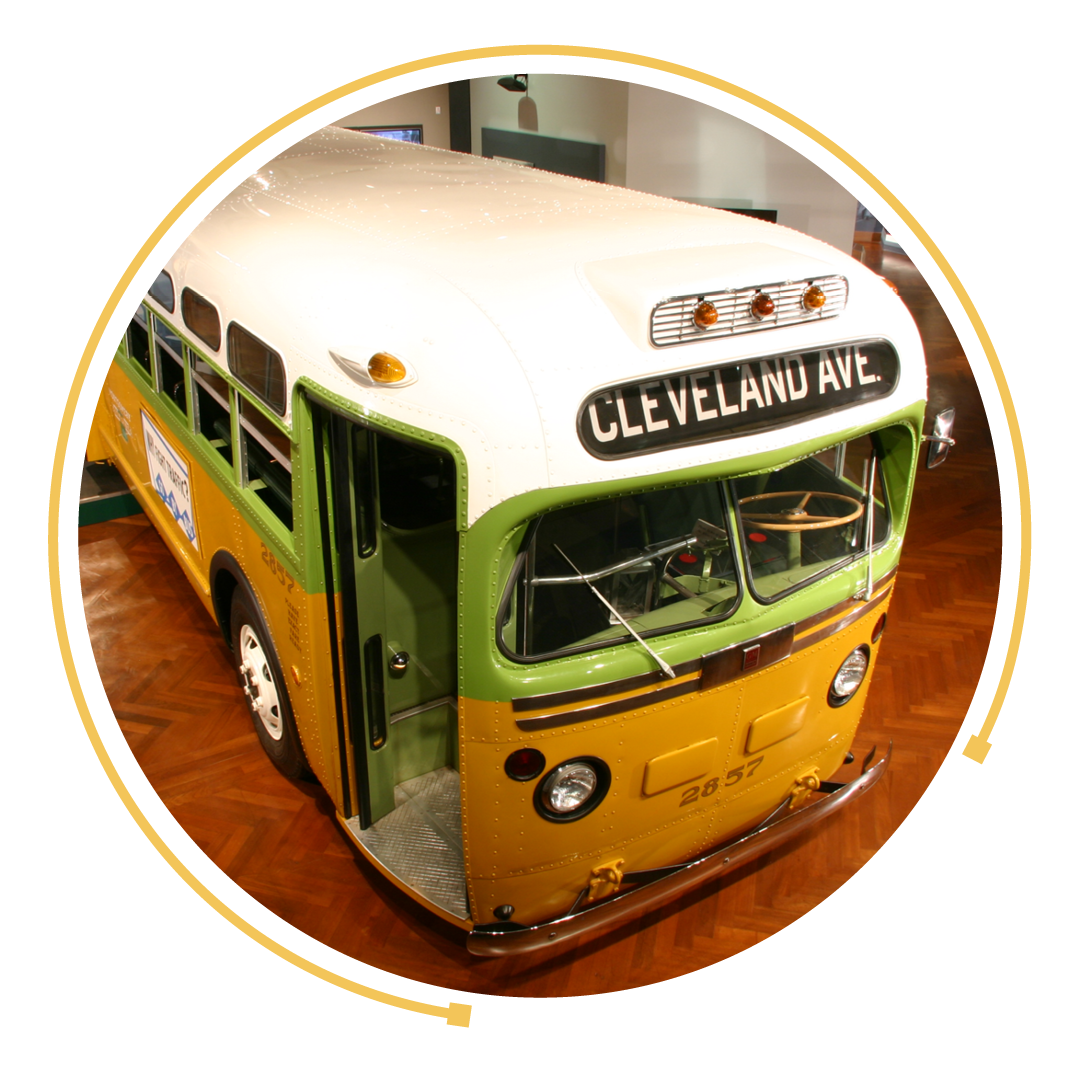
A CATA bus is wrapped to replicate the original Rosa Parks bus that has been restored and is on permanent display at The Henry Ford Museum of American Innovation as part of their With Liberty and Justice for All exhibit.
The tribute bus helps to connect our community to a pivotal moment in American history and reminds us that progress begins with a single act of courage. Rosa Parks’ stand against injustice continues to inspire us to build a more inclusive and equitable future.
Educational Impact
Inside the bus, visitors will find transit cards featuring a historic timeline of Rosa Parks’ life and key milestones in the Civil Rights Movement. The timeline highlights the courage and resilience that shaped our nation’s history.
Community Engagement
The tribute bus will be on display throughout the community on different routes throughout 2026 when not present at special events, including but not limited to:
- MLK Day of Celebration at the Lansing Center – Jan. 19, 2026
- Transit Equity Day: Honoring Rosa Parks’ birthday – Feb. 4, 2026
Timeline of Courage
Below is a brief timeline of the life of Rosa Parks and key moments in the Civil Rights Movement. A timeline with more details, including a variety of historical photos, is displayed inside the bus on transit cards.
1913 – Birth
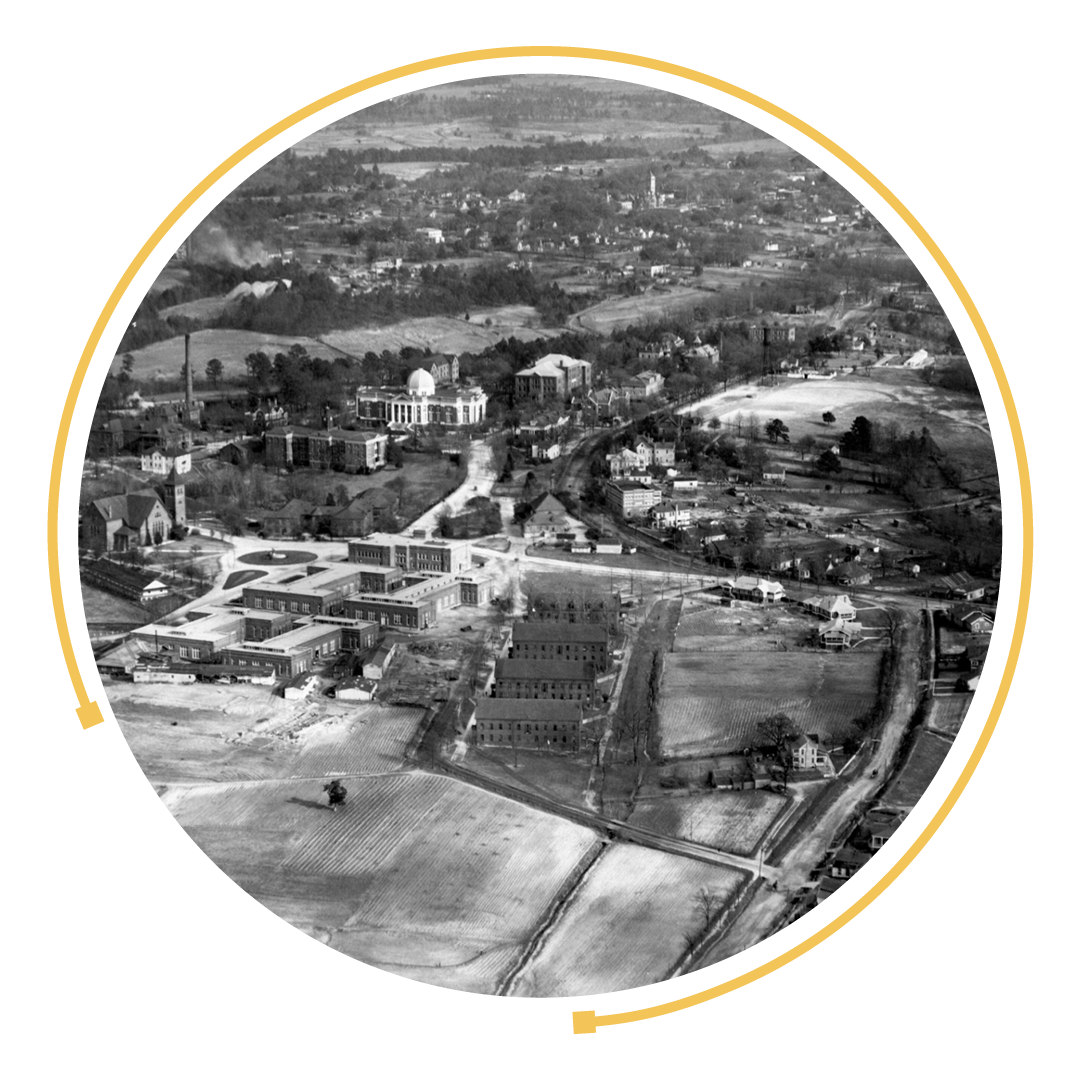
Rosa Louise McCauley was born Feb. 4, in Tuskegee, AL. She was raised in Pine Level, AL, an hour northwest of Tuskegee.
1932 – Marriage
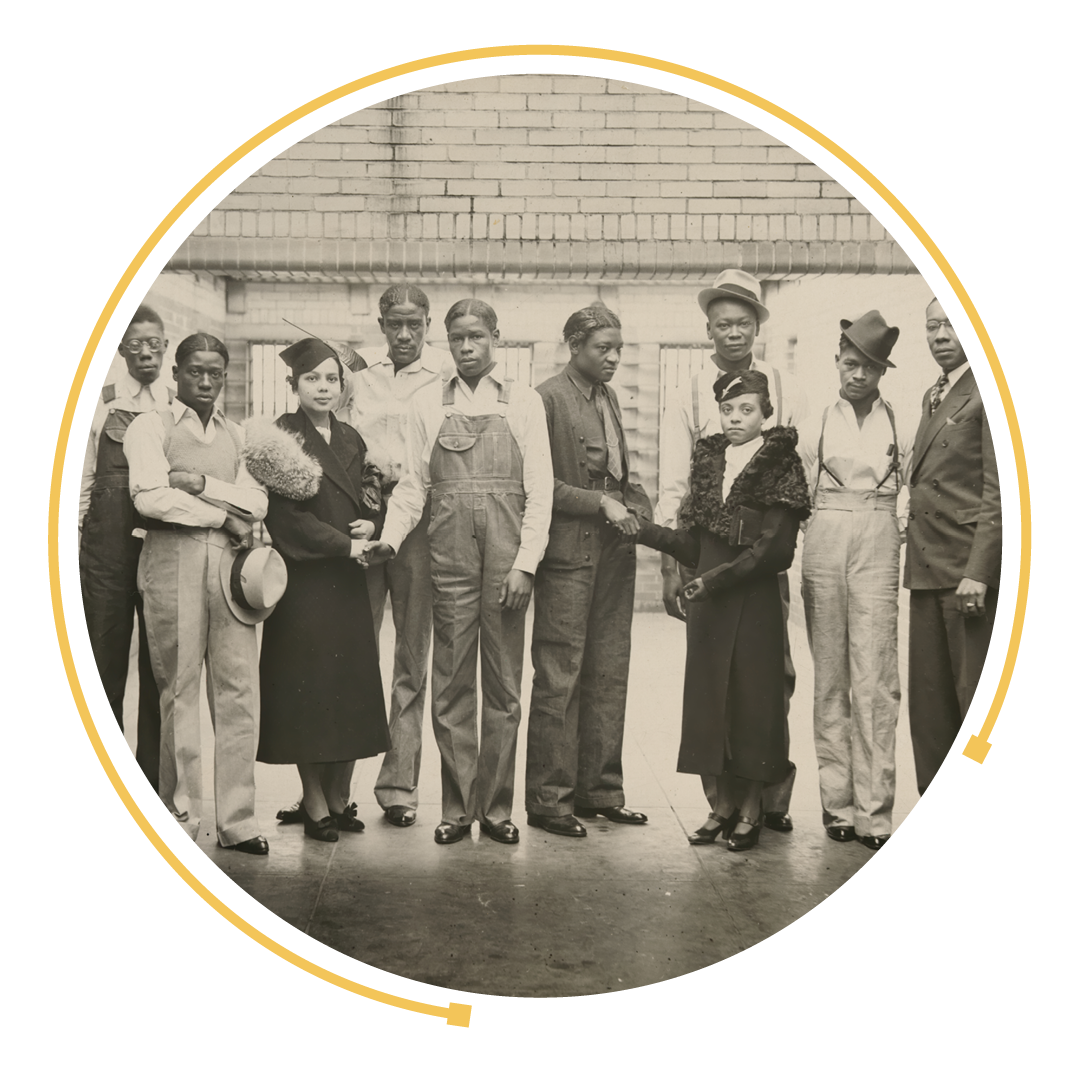
Rosa married Raymond Parks, an activist who worked to free the Scottsboro Boys — nine Black teens falsely accused of rape in 1931.
(Pictured above the Scottsboro Boys & NAACP Members)
1943 – NAACP Work
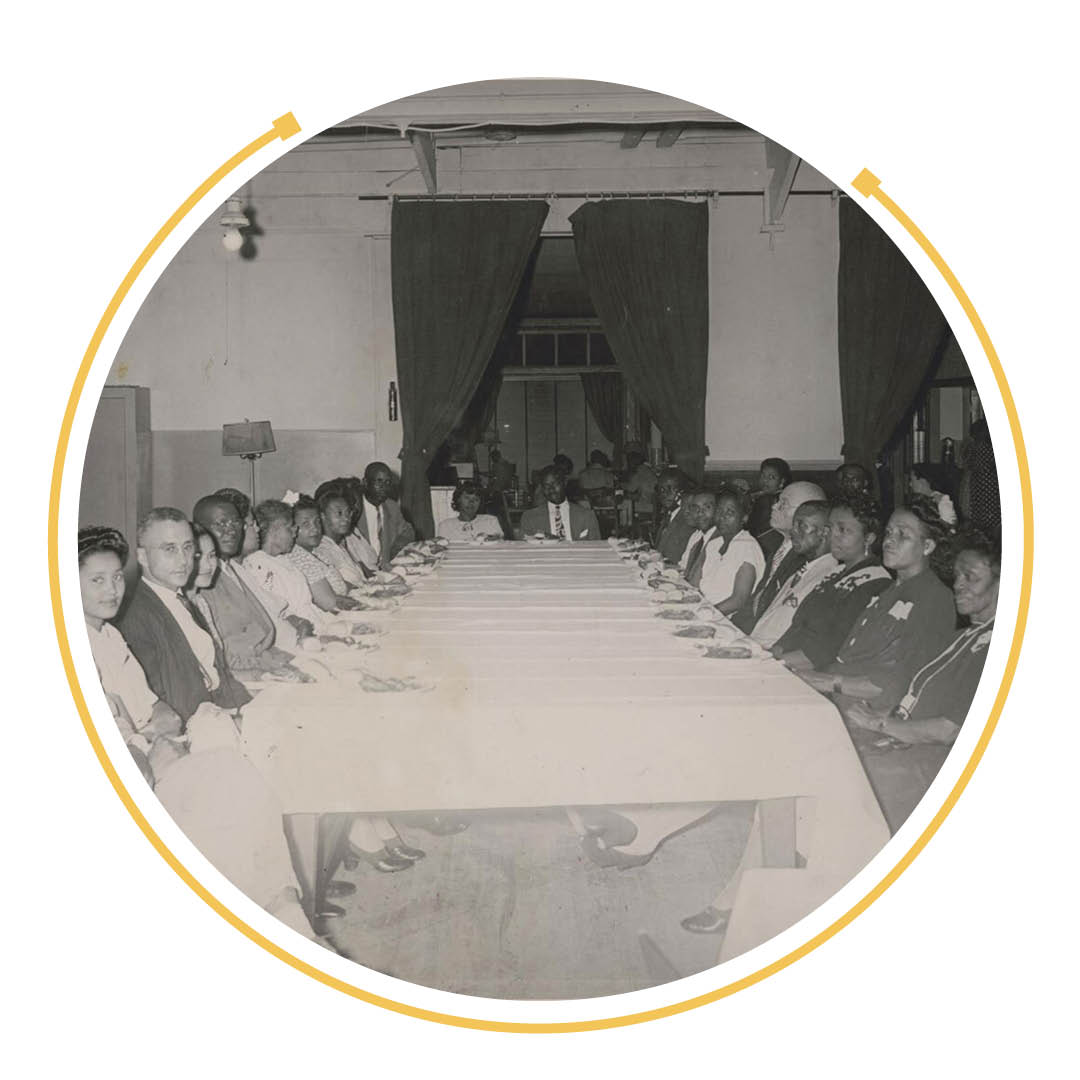
Parks joined the Montgomery National Association for the Advancement of Colored People (NAACP); she served as chapter secretary and investigated civil rights cases.
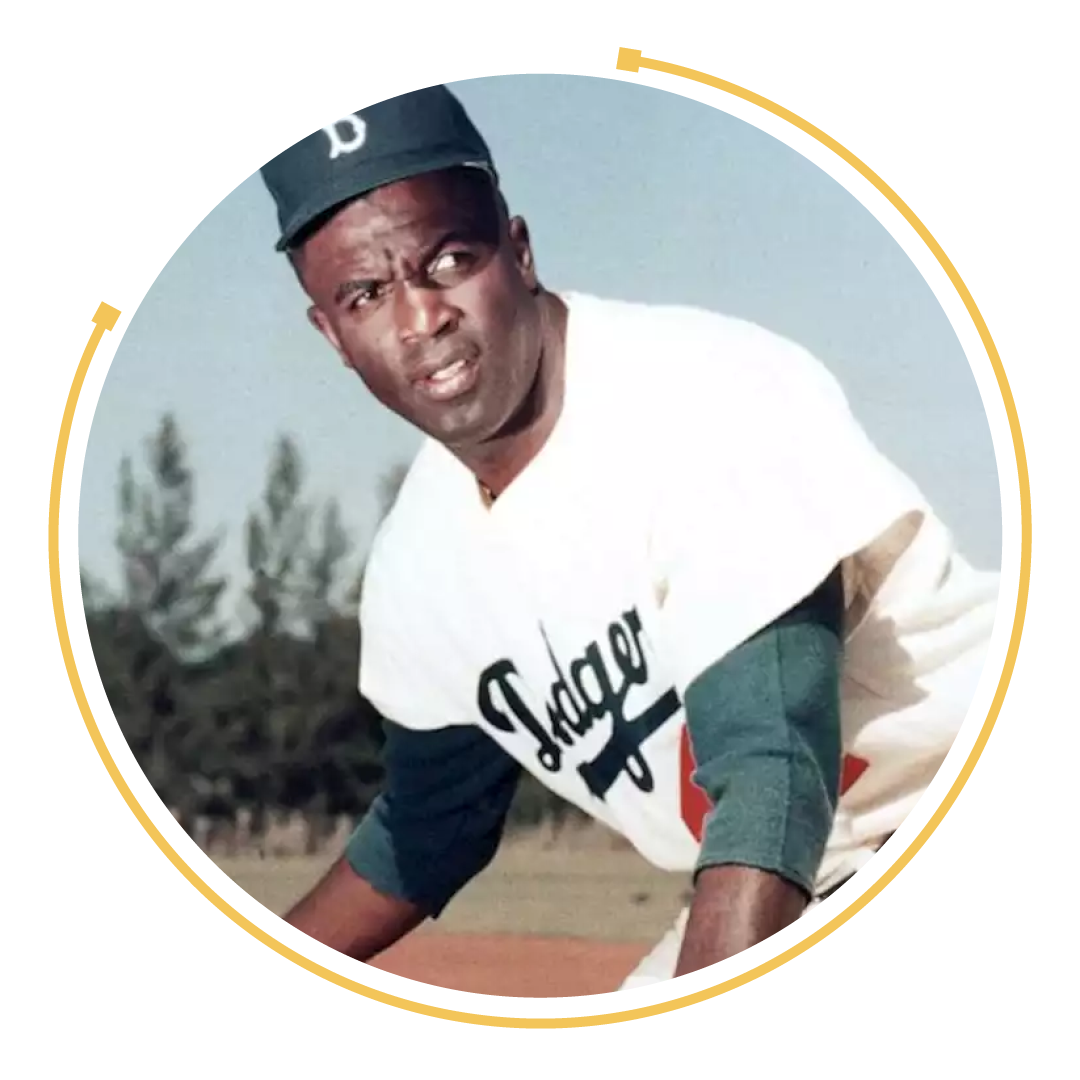
1947 – Jackie Robinson Breaks Baseball Color Barrier
Jackie Robinson become the first Black player in American professional sports history, made his debut for the Brooklyn Dodgers on April 15.
1954 – School Segregation Challenged in Court
Thurgood Marshall successfully argued Brown v. Board of Education before the Supreme Court, proving that “separate” schools were unequal and unconstitutional.
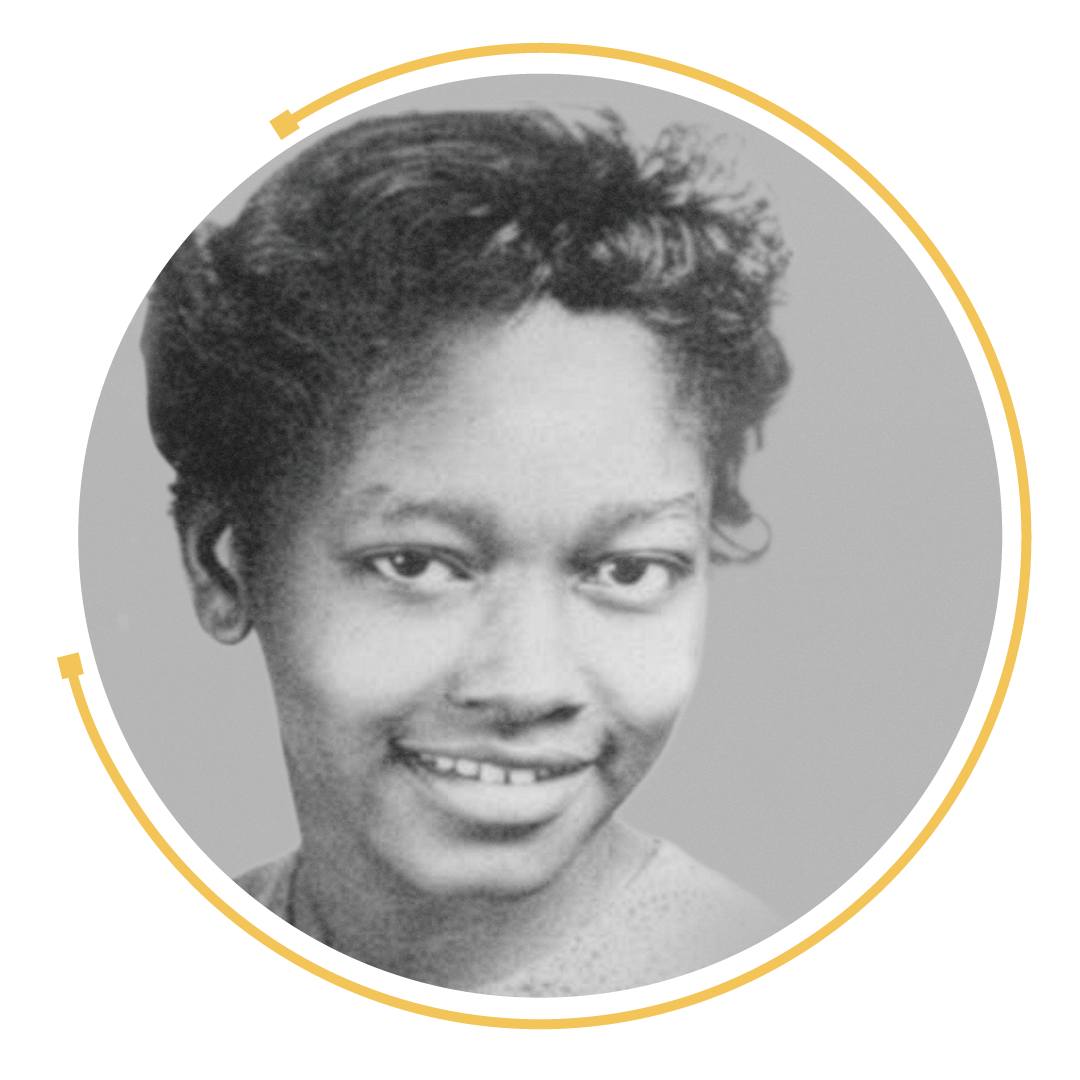
1955 – High School Student Arrested
March 2, 15-year-old high school student Claudette Colvin refused to give up her seat to a white passenger on a Montgomery bus and was arrested.
1955 – Defying Bus Segregation
Oct. 21, 18-year-old Mary Louise Smith refused to give up her seat, challenging bus segregation. Along with four other plaintiffs, including Claudette Colvin, she became part of Browder v. Gayle — the landmark case that ultimately ended bus segregation.
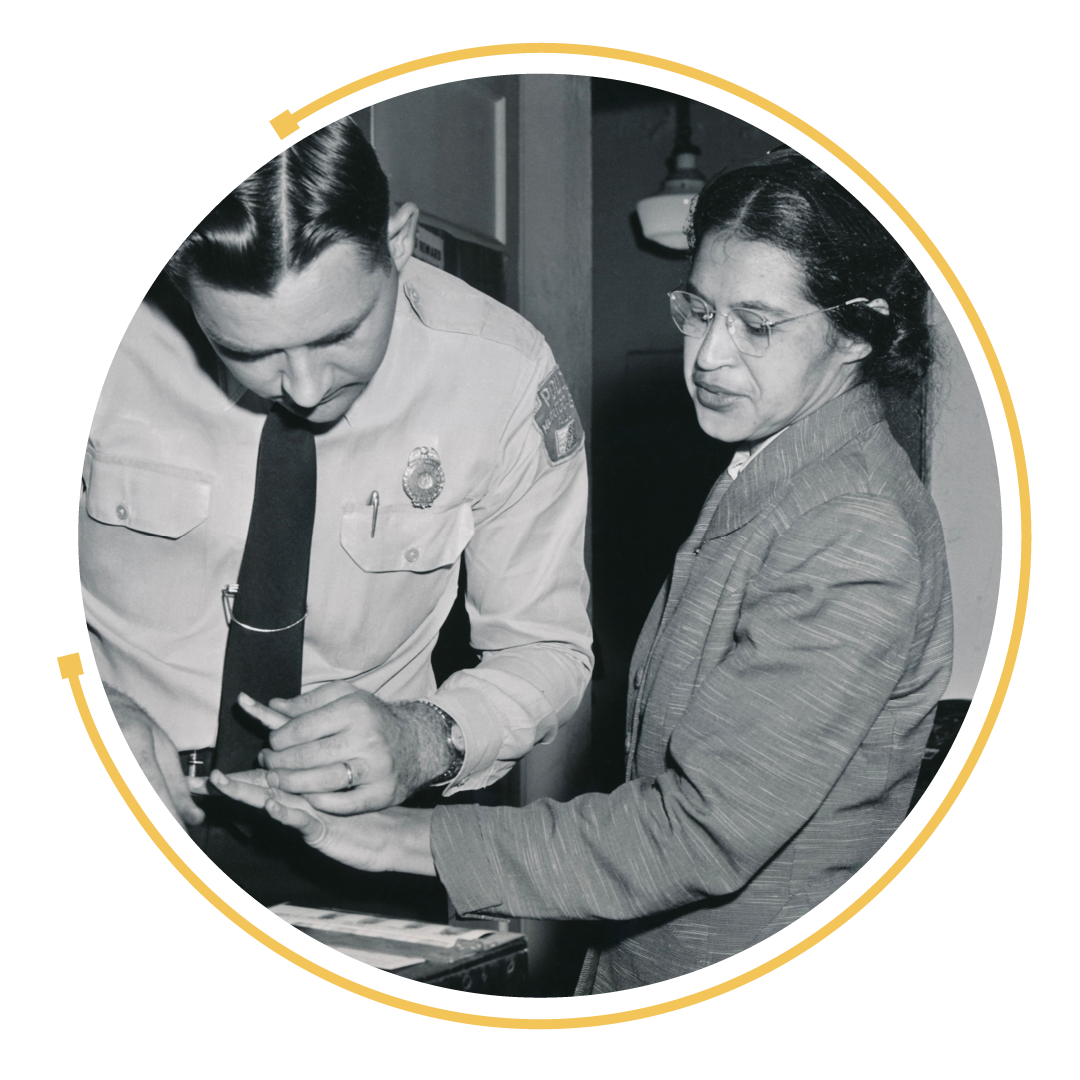
1955 – Rosa Parks Arrested
On Dec. 1, Parks refused to give up her seat on a Montgomery bus, breaking city code at the time. She was arrested and taken to police headquarters.
1955–1956 – Montgomery Bus Boycott
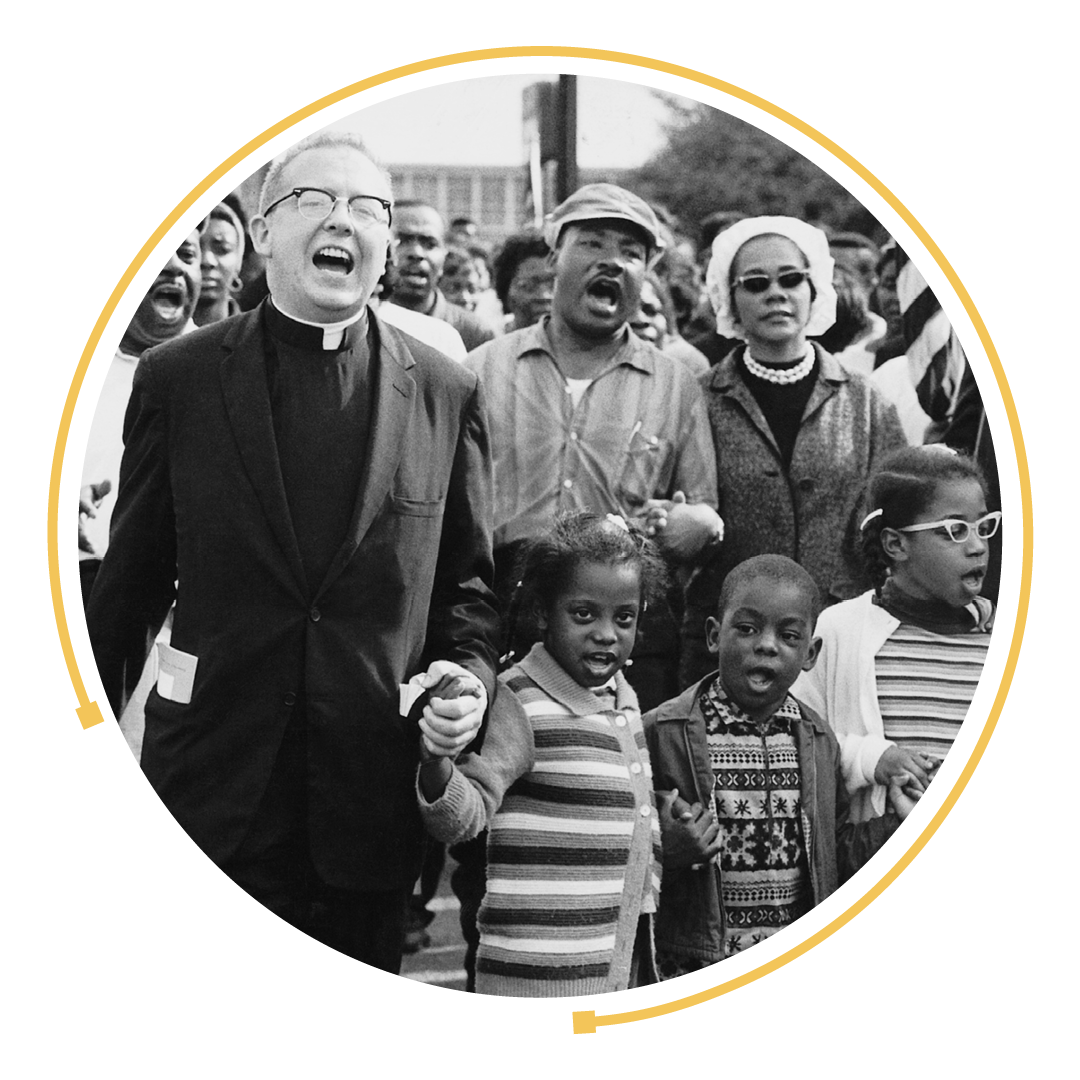
A 381-day bus boycott led by MLK Jr. followed Parks’ arrest, ending only when the U.S. Supreme Court ruled that segregation on Montgomery’s public transit was unconstitutional on April 24.
Photo Credit: Don Cravens
1957 – Federal Government Enforces School Integration
Elizabeth Eckford and the Little Rock Nine attempted to integrate Central High School despite mobs and threats. President Dwight D. Eisenhower sent federal troops to protect the students and enforce desegregation.
1957 – Move to Detroit
Parks worked as a seamstress at the Montgomery Fair department store, but relocated to Detroit with her brother Sylvester after ongoing threats and job loss after her arrest.
1960 – Students Challenge Segregated Lunch Counters
On Feb. 1, Ezell Blair Jr., Franklin McCain, Joseph McNeil and David Richmond sat at a whites-only lunch counter in Greensboro, NC, refusing to leave until served. Their protest led to sit-ins nationwide.
1960 – Elementary School Integrated
On Nov. 14, 6-year-old Ruby Bridges is the first Black child to attend an all-white elementary school in New Orleans while escorted by U.S. Marshals.
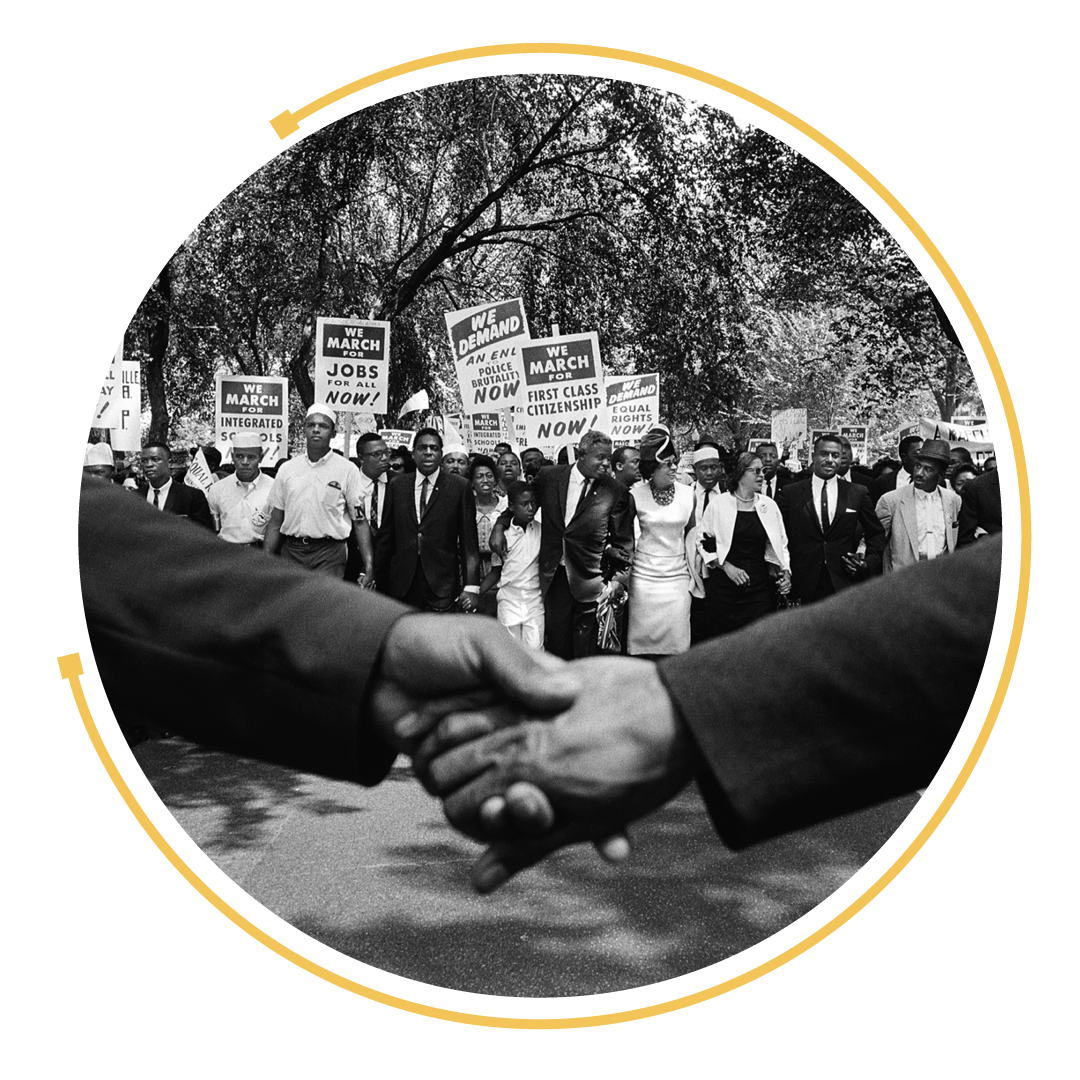
1963 – March on Washington
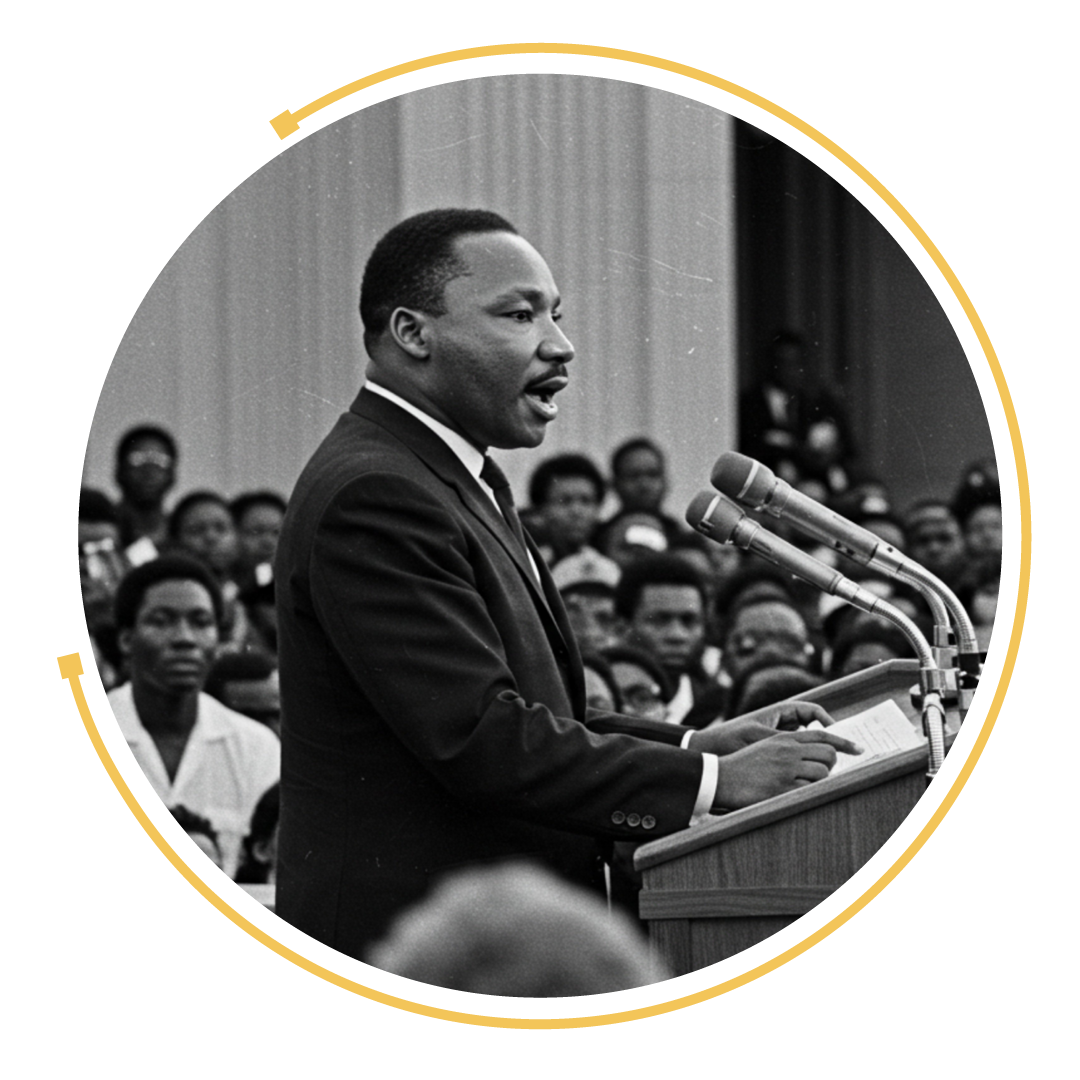
Parks attended the March on Washington for Jobs and Freedom, where Dr. Martin Luther King Jr. delivered his famous “I Have a Dream” speech on Aug. 28.
Photo Credit: Steve Schapiro
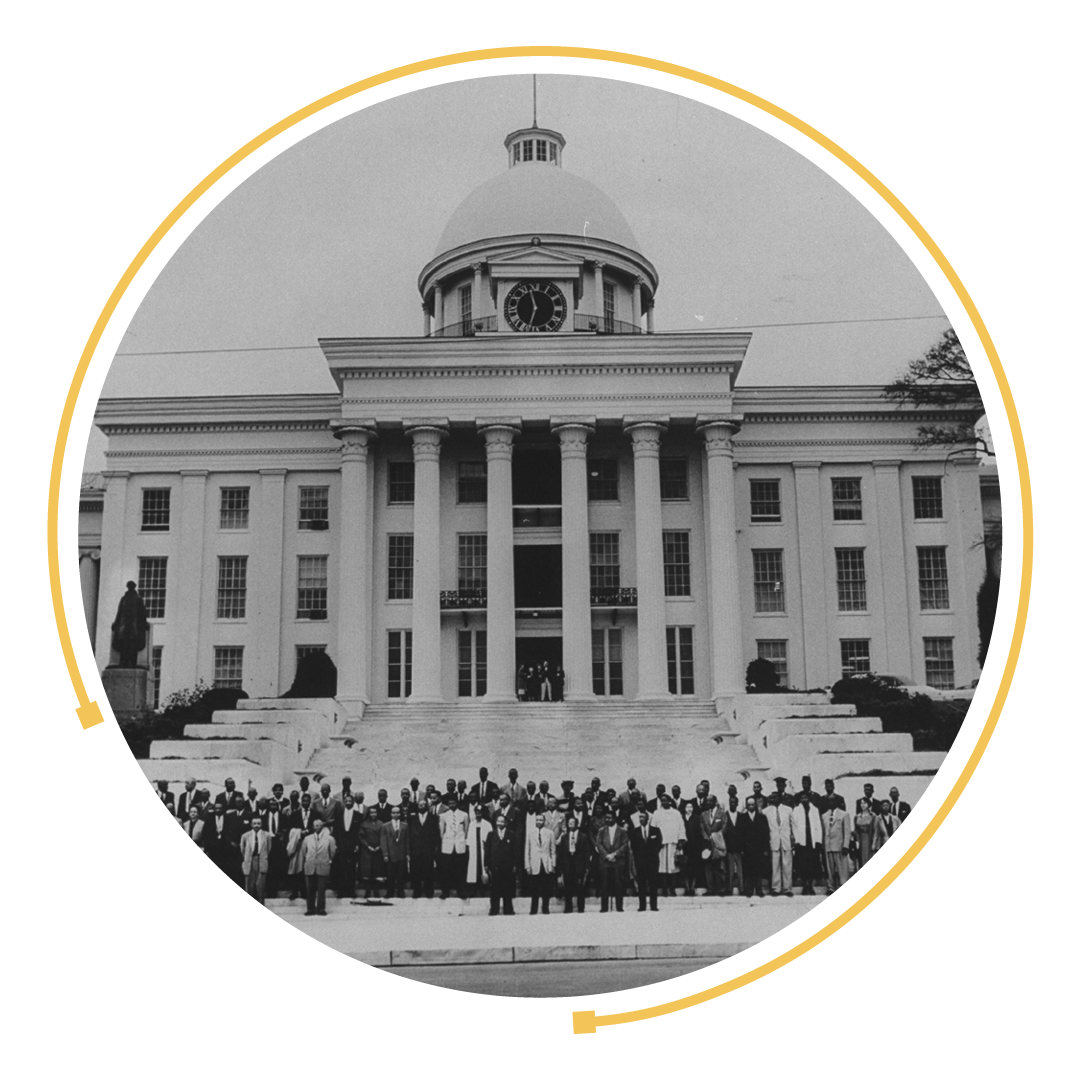
1965 – Selma to Montgomery March & Voting Rights Act
On March 25, Parks travels to Montgomery and joins supporters at the Alabama State Capitol after a 5-day, 54-mile march from Selma for voting rights.
1965 – Federal Voting Protections Enacted
On Aug. 6, President Lyndon B. Johnson signed the Voting Rights Act, outlawing literacy tests and authorizing federal oversight of elections.
1967 – Marriage Equality Upheld
Mildred and Richard Loving challenged Virginia’s interracial marriage ban, winning a Supreme Court decision that ended such laws nationwide.
1967 – Interracial Marriage Bans End
Mildred and Richard Loving challenged Virginia’s interracial marriage ban, winning a Supreme Court decision that ended such laws nationwide.
1968 – Civil Rights Leader Assassinated
On April 4, Dr. Martin Luther King Jr. was assassinated in Memphis while supporting striking sanitation workers.
Photo Credit: Niamh O'shea
1965–1988 – Ongoing Activism
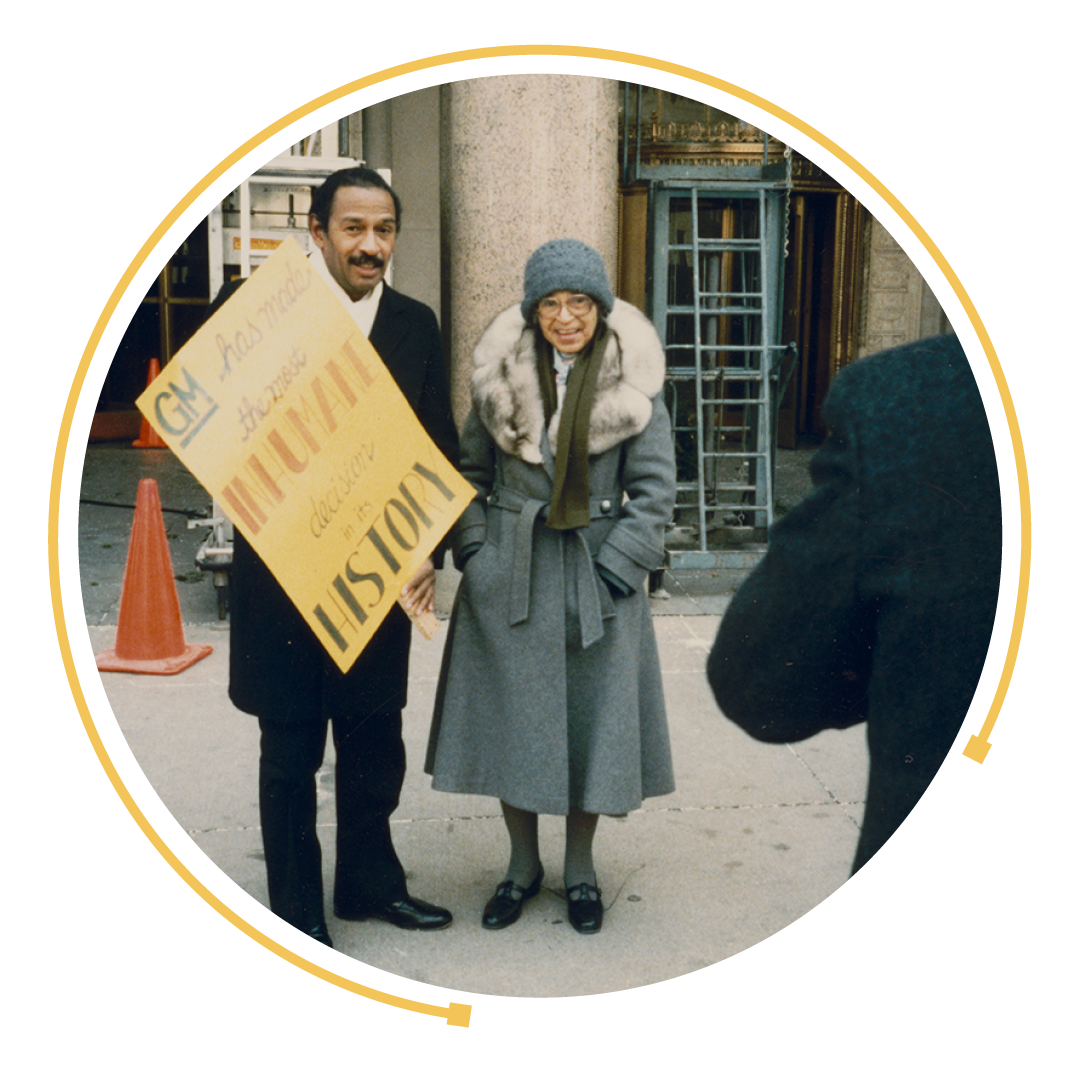
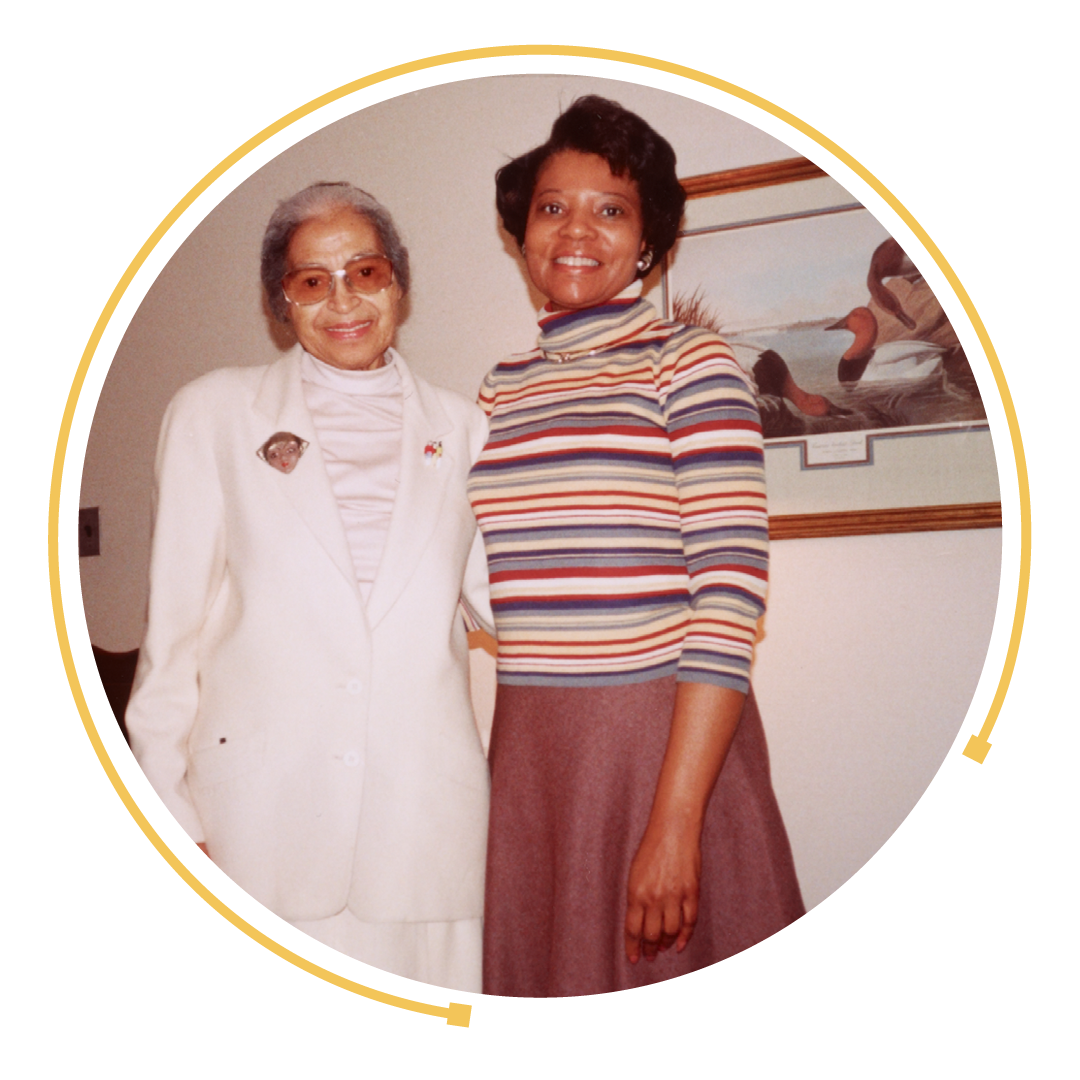
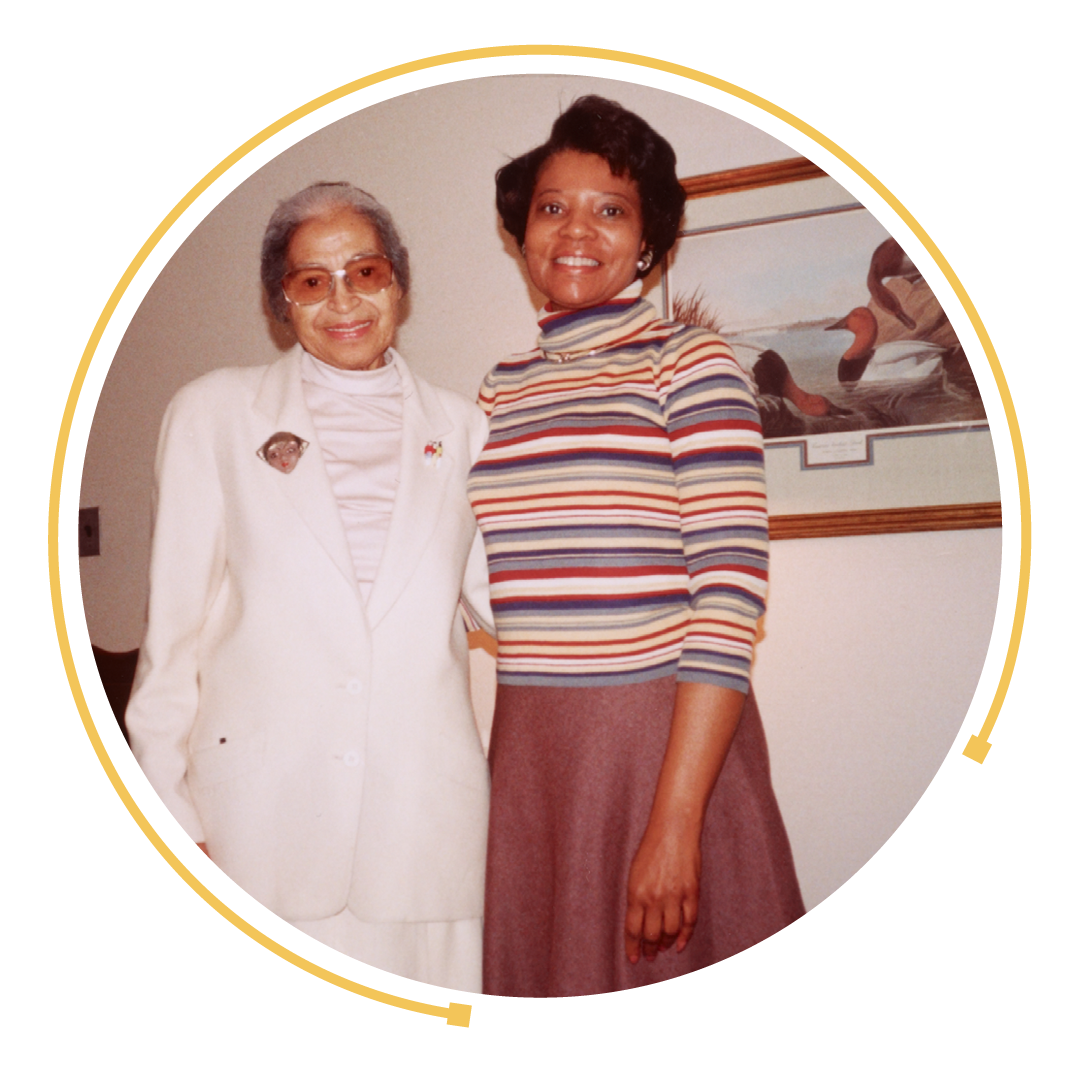
Parks was an active member of the NAACP and worked for Congressman John Conyers from 1965-1988.
1977 – Spouse Passes Away
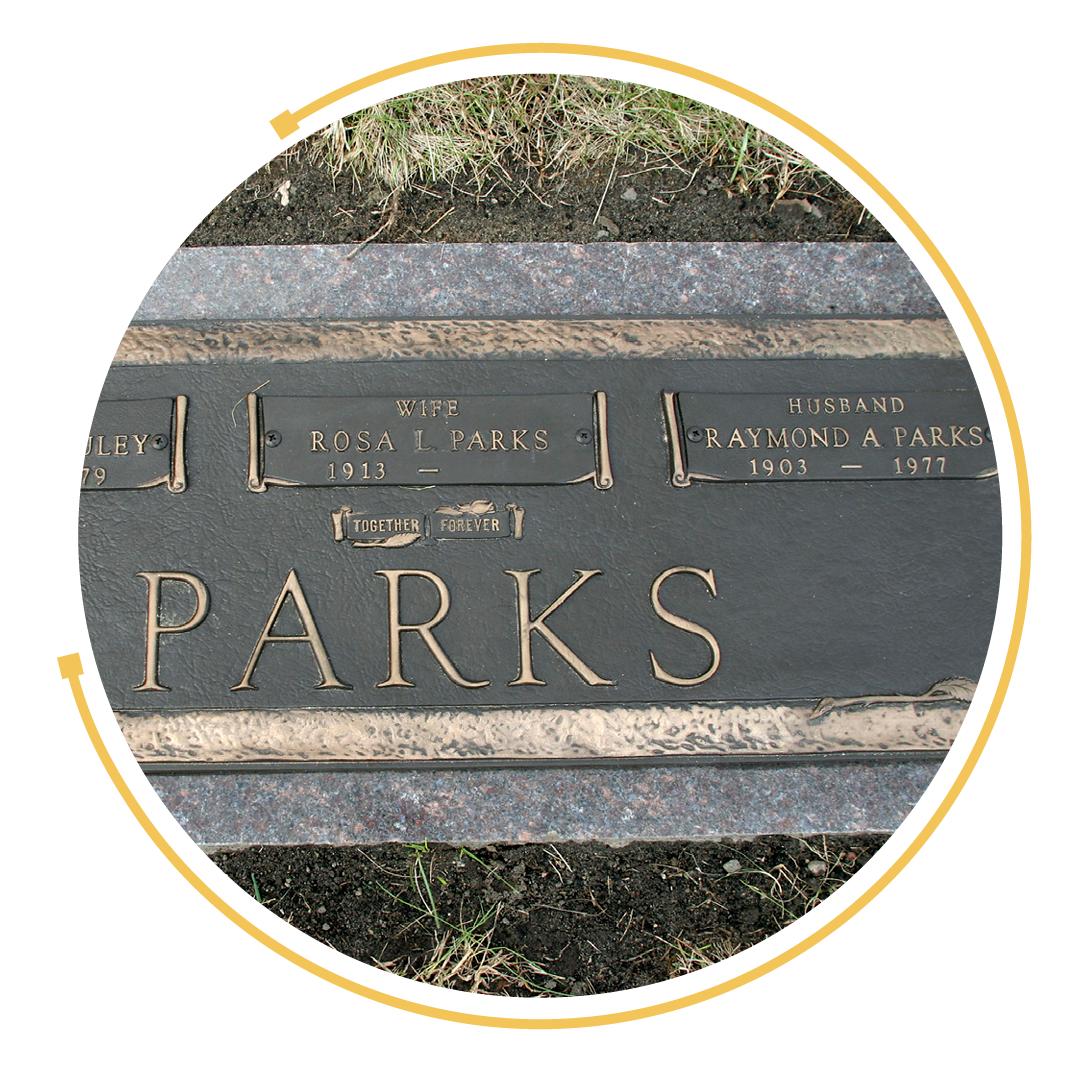
Raymond Parks, Rosa’s life partner in activism, passed away in 1977 and was buried in Detroit’s Woodlawn Cemetery.
1987 – Rosa & Raymond Parks Institute Founded
Parks co-founded the Rosa and Raymond Parks Institute for Self-Development with Elaine Eason Steele to support youth leadership and civil rights education.
1996 & 1999 – National Honors
Parks received the Presidential Medal of Freedom and the Congressional Gold Medal.
2003 – Rosa Parks Bus Restored & Exhibited
Recovered from an Alabama field, the bus was restored by The Henry Ford Museum and placed on display. Today, it’s a permanent feature of the museum’s With Liberty and Justice for All exhibit. Learn more at the Henry Ford Museum's website.
2005 – Rosa Parks Passing
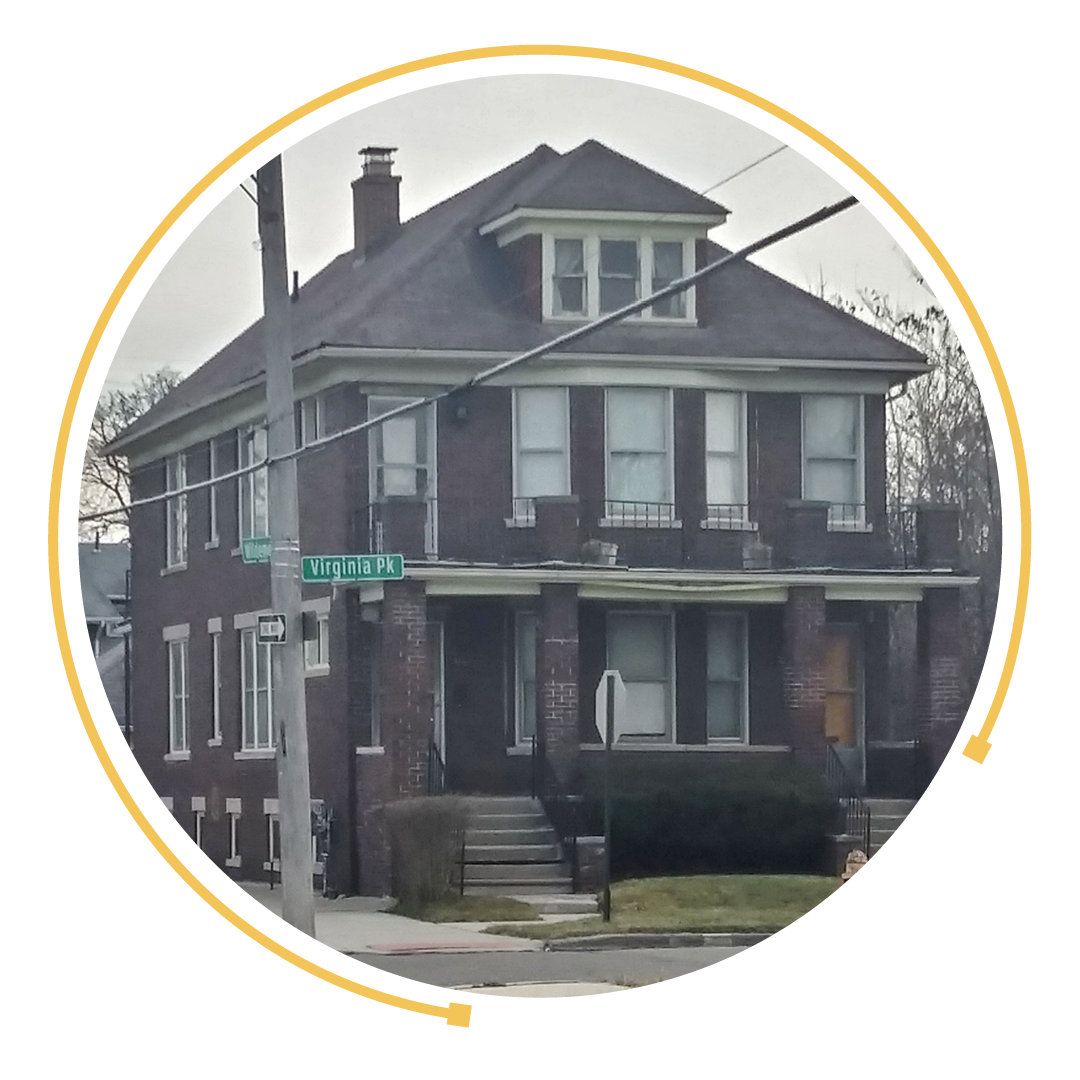
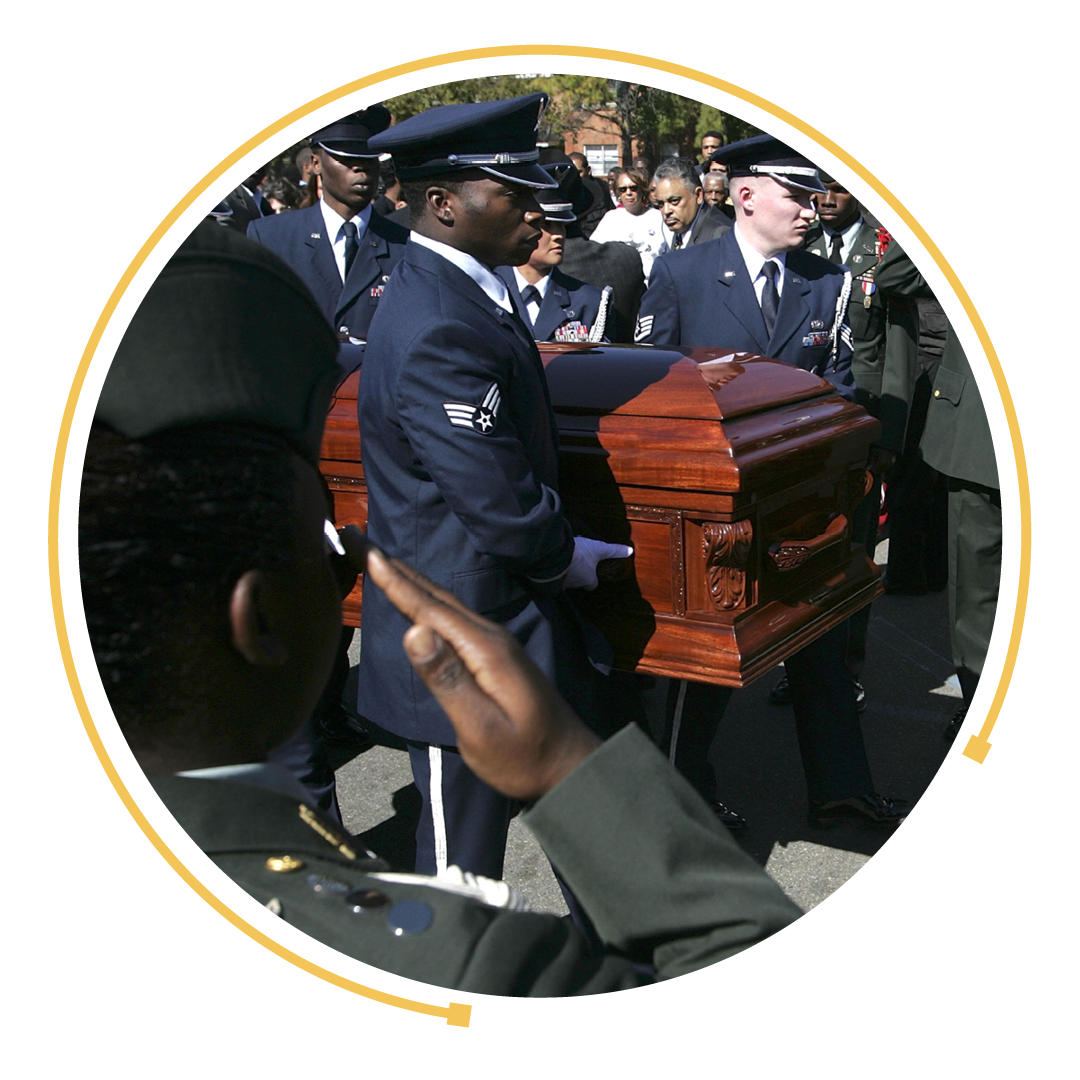
Parks died in her Detroit home on Oct. 24 at age 92. The front seats of city buses in Detroit and Montgomery were adorned with black ribbons in the days preceding her funeral.
Photo Credit: Justin Sullivan
2017 - Transit Equity Day Founded
Observed every Feb. 4 on Rosa Parks’ birthday to honor her and highlight the importance of equitable public transportation.
Learn More
The Henry Ford Museum of American Innovation – Plan a trip to the museum and view information about the restored Rosa Parks bus.
Dr. Martin Luther King Jr. Commission of Mid-Michigan – Learn more about how the Commission is dedicated to preserving the legacy and teachings of Dr. King.