About us
The executive team at CATA oversees 430 employees and daily operations across all departments
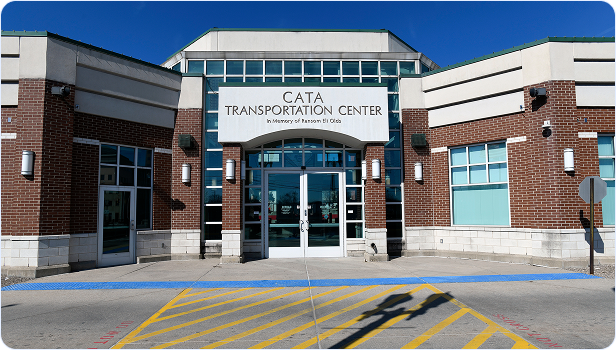
Welcome to CATA
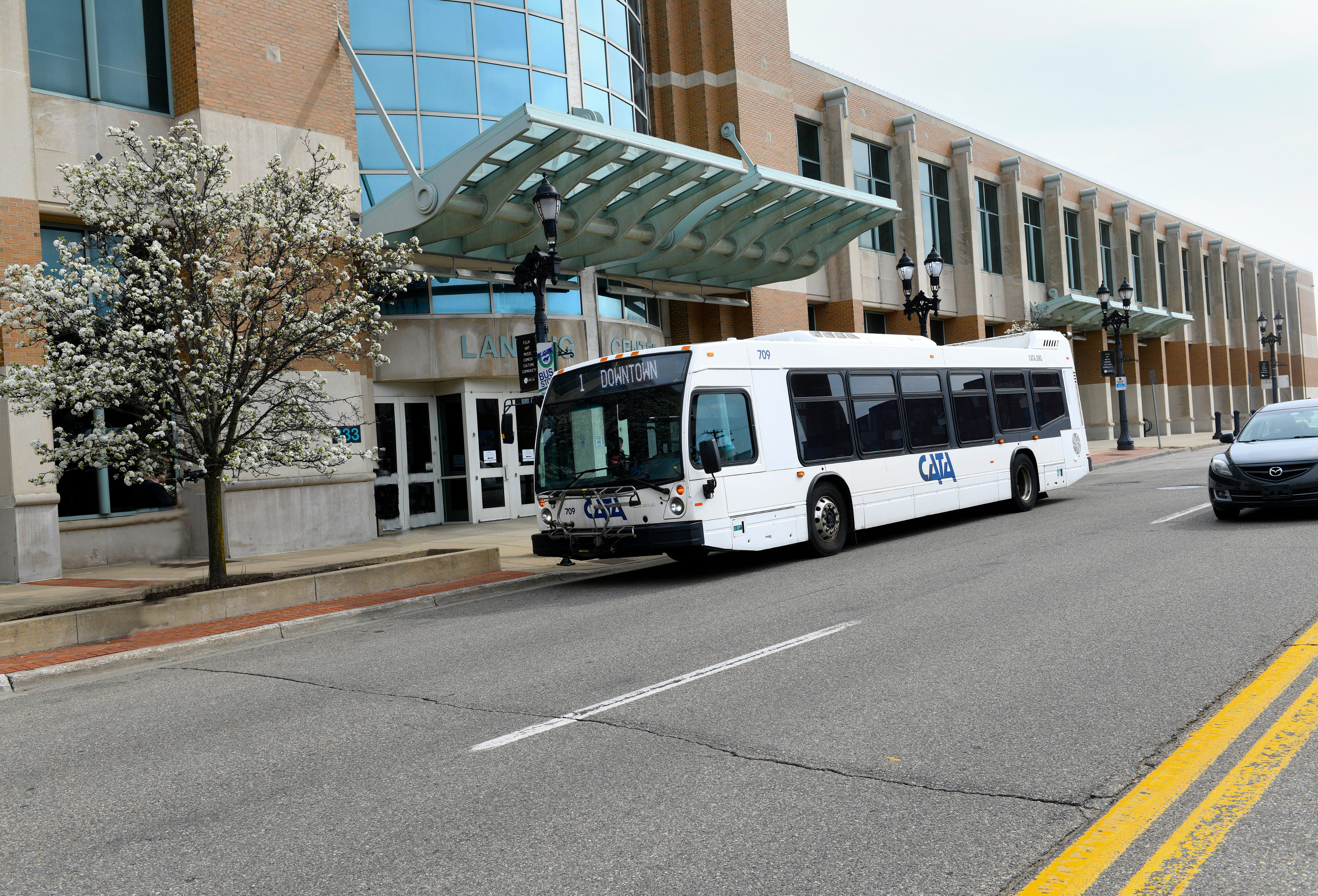
Since 1972, CATA has proudly been Driving Mobility Solutions, connecting the Capital City region and serving the cities of Lansing and East Lansing and the townships of Delhi, Lansing, and Meridian
Our History
This timeline showcases CATA's key milestones, from founding to present operations and future aspirations
1971–1972: The Beginning
Formed under Michigan’s Act 55, CATA replaced failing private bus lines to create a unified transit system for Lansing and East Lansing. In its first full year of operation (1972), the authority launched with just seven fixed routes, delivering 732,609 rides and laying the groundwork for regional mobility.





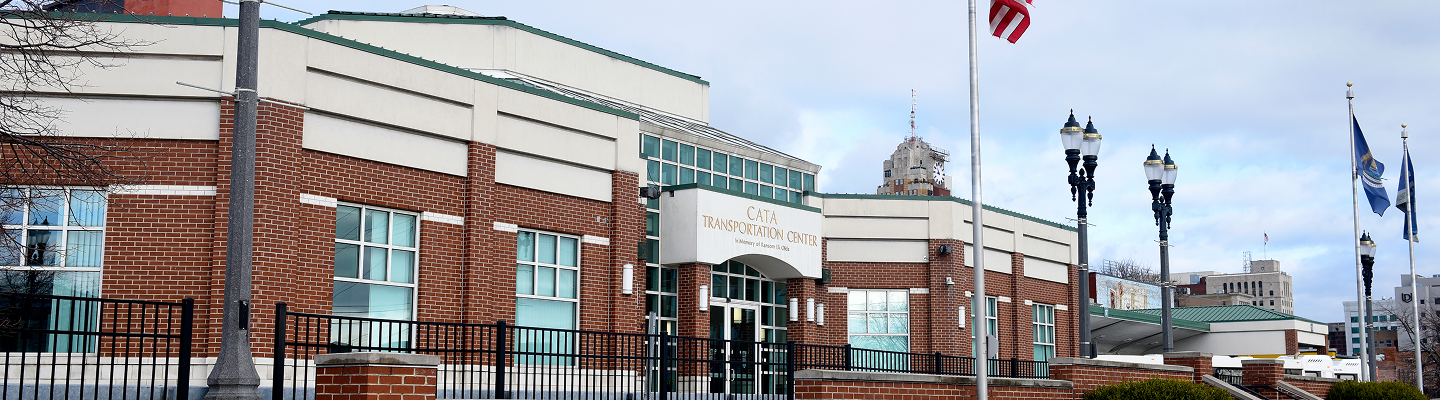
Our Buildings
Navigate CATA's public and administrative facilities across the region. Find essential services, ticket sales, and convenient amenities at each location
Our Commitment
Our commitment defines how we serve the community and guide organizational decisions through a clear mission, vision, goals, and values

Our Mission
To meet regional mobility needs through innovative solutions and community partnerships.

Our Vision
CATA will build public trust by re-imagining mobility challenges and engaging those we serve.

Our Goals
Goal 1: Regional Mobility
Facilitate seamless, innovative multimodal transportation solutions.
Goal 2: Customer Experience Excellence
Employ best practices for new and returning customers.
Goal 3: Organizational Strength
Promote efficiency, effectiveness, and continuous improvement.
Goal 4: Community Partnership
Exhibit responsible leadership through engagement and public service.
Goal 5: Dynamic Workplace
Create a meaningful workplace that engages, empowers, and values employees.

OUR VALUES
Transparency
Fosters trust and innovation.
Cooperation
Guides our approach with partners, customers, and employees.
Safety
Committed to a safe experience for customers, employees, and the public.
Sustainability
Implements solutions as stewards of the community and planet.
Professionalism & Integrity
Drives CATA's actions and decisions.
Accountability
Guides us to always do the right thing.
Our leadership
The individuals behind CATA's strategy, operations, and long-term vision for better transit

Board of Directors
Learn more about the board guiding CATA's strategic goals

Executive Staff
Meet Our executive staff, who play a key role in overseeing CATA's operations

Local Advisory Council
Find out about the council that provides recommendations to the Board on transit issues
Reports and Records
Access CATA's official documents, reflecting our commitment to public transparency and accountability.
CATA Facts
We believe the public deserves full visibility into how CATA operates. Browse our official reports and records here
FY 2026 Ridership
At its founding in 1972, CATA had seven fixed routes and delivered 732,609 total trips systemwide. In fiscal 2019, we delivered 11,049,317 annual trips – the agency’s strongest ridership growth since fiscal 2007. In March 2020 the COVID-19 pandemic resulted in dramatic ridership declines. For a brief period, fixed-route rides were suspended, and curb-to-curb, demand-response rides were reserved for first responders and those seeking life-sustaining health care and services. Ridership totaled 7,306,550 for fiscal 2020. At the peak of the pandemic In fiscal 2021, CATA delivered 3,030,644 trips. In fiscal 2022, ridership was recorded at 5,399,227 trips systemwide – a healthy rebound. Fiscal 2023 concluded with a remarkable 41.4 percent growth in ridership which translated to an additional 2.2 million trips and an overall total of 7.63 million rides for the year. In CATA's most recent fiscal year, FY 2025, ridership grew 8.4% to over 9.5 million rides.
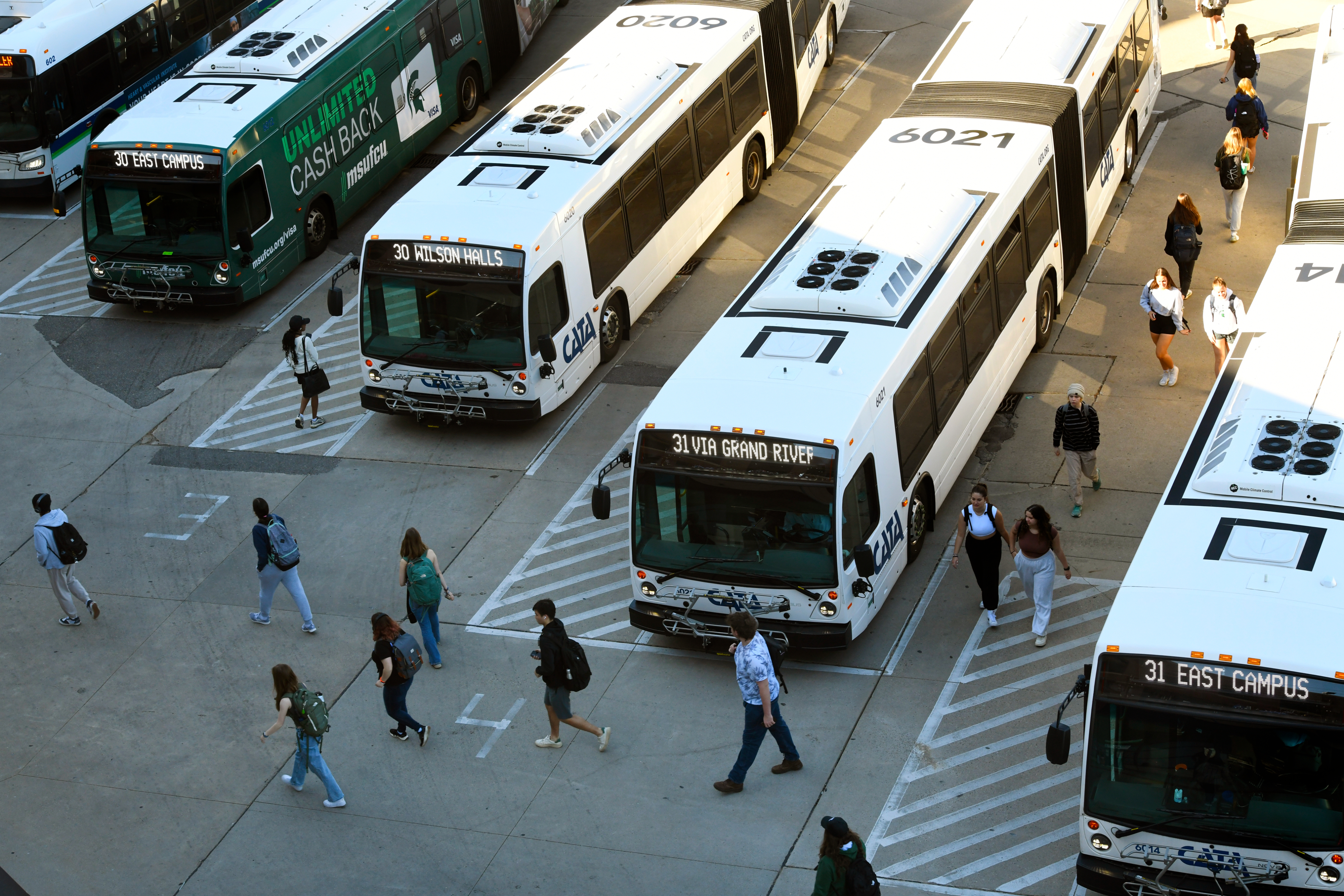
CATA currently operates 32 fixed routes and various paratransit services. A snapshot of our ridership follows:
FY 2025 was the strongest year on record with over 9.5 million total trips—9,119,572 on fixed routes and 395,321 through paratransit services.
FY 2024 continued the upward trend with 8,854,163 total trips, building on FY 2023's 7,633,877 — the first year ridership surpassed pre-pandemic levels.
FY 2022 marked the beginning of the recovery with 5,399,227 trips, following the significant drop in FY 2021 to 3,030,644 trips during the height of COVID-19 disruptions.
FY 2020 closed with 7,306,550 total trips before the pandemic reshaped travel patterns across the region.
Funding
Fiscal 2023 Budgeted Operating Revenue:
- 0.5% Local funding
- 26.5% State funding
- 22.7% Federal funding
- 10.3% Fares and other revenues
Service Area
CATA provides a variety of public transportation services in the Greater Lansing and outlying areas. The 559 square-mile service area spans all of Ingham County and extends into portions of Eaton County (Delta Township) and Clinton County.
Employees
CATA’s workforce comprises 443 employees*:
- 289 are bus operators who are members of the Amalgamated Transit Union (ATU) Local No. 1039
- 47 are Maintenance employees who also belong to ATU Local No. 1039 – namely mechanics and mechanic support staff
- 107 are administrative personnel
*As of Oct. 1, 2024
Each year, CATA participates in community–sponsored events such as:
- Capital Area United Way
- Community Connect
- East Lansing Art Festival
- Holiday Parades
- Ingham ISD Transition Fair
- Lansing Jaycees Stuff the Bus
- Operation Santa
- Safety Council Patrol Picnic
- Silver Bells in the City
- Touch-a-Truck
- Trick-or-Treat on the Square
Metro Magazine ranked CATA in its “Ten Best Places to Work in Transit” in the October 2008 issue. The family-like culture, open door policy, recognition of hard work and employee pride were cited as some of the agency’s outstanding attributes.
In 2007, CATA was awarded the Outstanding Public Transportation System Achievement Award by the American Public Transportation Association (APTA). This award honors one public transportation system in North America each year, which has demonstrated outstanding achievement in efficiency and effectiveness. Systems are judged on their performance over a 3-year period. CATA is one of the few systems that are a two-time winner of this award. CATA first received the award in 1991.